Each SHARP scholar is matched with a mentor team, with whom they work throughout the summer. These mentors provide guidance on the scholar’s project, serve as a sounding board for the scholar’s educational career and goals, and provide coaching on how to work in a public health research environment.
-
Michelle Nakphong, PhD
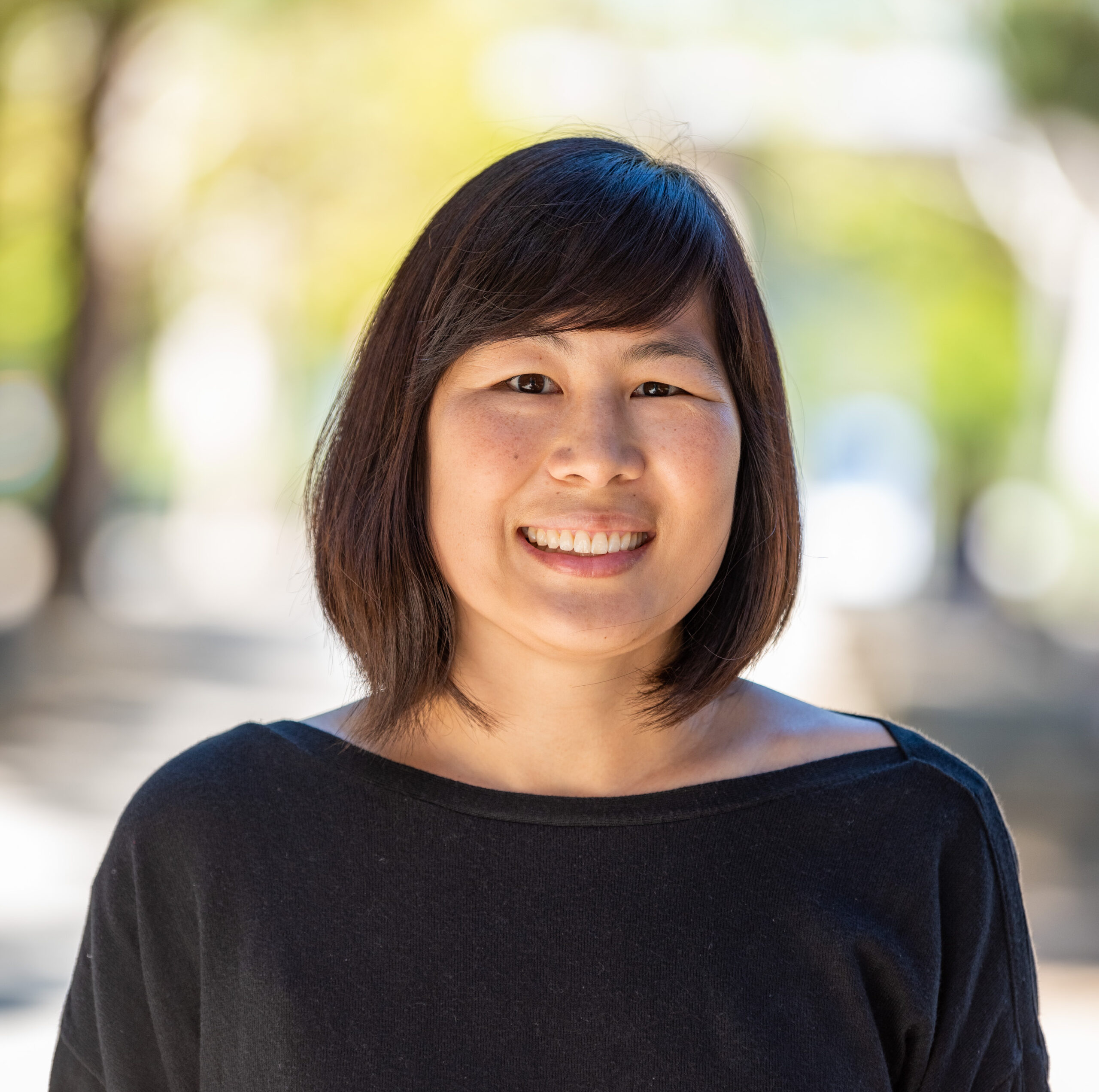
Michelle Nakphong is a social epidemiologist, and her research focuses on how social exclusion and inclusive policies impact the health of marginalized populations. Building on over 2 decades of community-based policy advocacy work, she strives to amplify voices from low-income and minoritized communities.
Her research addresses the core question: Can fostering social inclusion reduce health inequities? She builds from a social exclusion framework conceived by Naila Kabeer (2000) and take a structural and policy approach to examining people’s lived experiences. She uses quantitative and qualitative methods to illuminate the complex mechanisms that underlie health disparities including housing, immigrant policies, and sexual and reproductive health services. Ultimately, she aims to influence inclusive policymaking and programs to promote health equity.
-
Nadra Lisha, PhD
 Nadra Lisha, PhD is an Assistant Professor in the Division of Prevention Science at the University of California, San Francisco (UCSF) Department of Medicine. As a biostatistician, their research focuses on the use of sophisticated statistical methods for addressing problems common in addiction-related research, including tobacco, missing data, comorbid conditions, and multiple drug use. They are an active collaborator, consultant, and co-author with numerous investigators, post-doctoral fellows, and other trainees primarily at UCSF. As a methodologist and statistician, a great deal of her published work typically comes from a group science approach with all publications including multiple co-authors. Her role is typically as a quantitative methodologist, and she helps in the planning and design of studies, monitoring of data collection and assurance of the quality of the data. She also serves as a mentor to postdocs and others when performing data management and routine and non-routine analyses, and to directly perform novel or advanced statistical analyses. Since 2014, she has served as a statistician on Dr. Ling’s U01 study evaluating novel interventions to prevent tobacco use among young adults in bars and nightclubs at CTCRE.
-
Natasha Ludwig-Barron, PhD, MPH
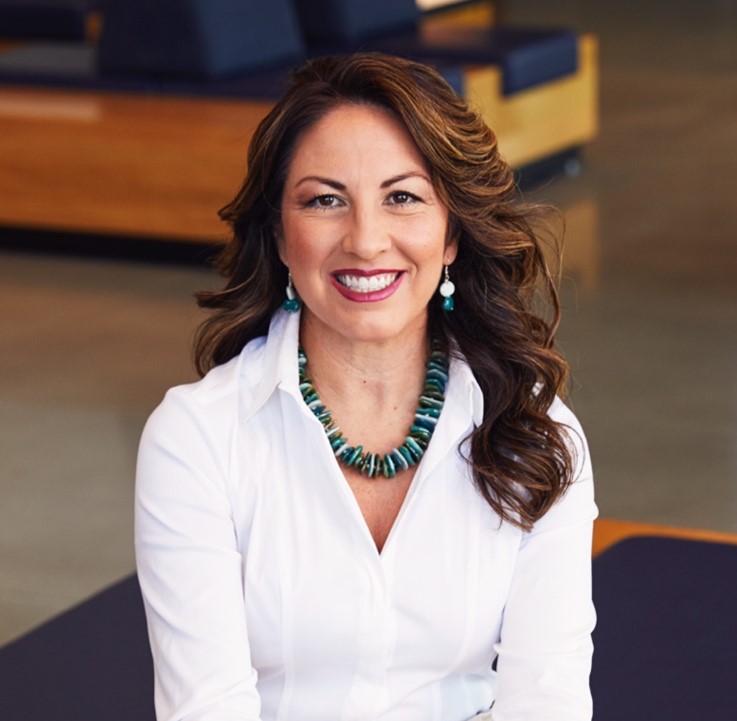
Natasha Ludwig-Barron, PhD, MPH is a Chicana Epidemiologist and TAPS Fellow at UC San Francisco, Department of Medicine, with more than 15-years of public health research and practice experience. She applies mixed methods and ecological approaches to understanding the syndemic of HIV/AIDS, substance use, and gender inequity, with the goal of improving the health and wellbeing of marginalized communities in the US (Los Angeles, Atlanta, San Diego, Seattle), Mexico and Kenya. After earning her MPH at Emory University, Dr. Ludwig-Barron completed a Hispanic-Serving Health Professions Schools (HSHPS) Fellowship where she conducted HIV and substance use research along the U.S.-Mexico Border in San Diego, CA, and later served as an Epidemiologist with the Los Angeles County Department of Public Health, Division of HIV and STD Programs, Research and Innovation Unit. She completed her doctorate in Epidemiology at the University of Washington, which was funded through a NIDA Diversity Supplement, and largely focused on HIV-HCV risk environments and predictors of suboptimal HIV care among sub-groups of persons who inject drugs living with HIV (PWID-LH) in Kenya. In addition, Dr. Ludwig-Barron collaborated with the University of Washington Latino Center for Health to complete a statewide policy initiative that highlighted the Latinx physician shortage using geospatial analysis, which was instrumental in capacity building and increasing funding for pathway programs. At UC San Francisco, Dr. Ludwig-Barron will collaborate with a binational, bicultural and bilingual research team at UCSF, University of Texas-El Paso, and Compañeros, a harm reduction organization based in Ciudad Juárez. She will apply an ecological approach to investigating HIV and substance use along the US-Mexico Border by conducting geospatial analysis, hierarchical cluster analysis and assessing ethical research questions within underserved communities. In addition, Dr. Ludwig-Barron is a lifelong advocate of JEDI programs like SHARP that support the next generation of Latinx and underrepresented groups in higher education, medicine and research.
2026 SHARP Mentor of the Year
-
Oliver Bacon , MD, MPH (He/Him)
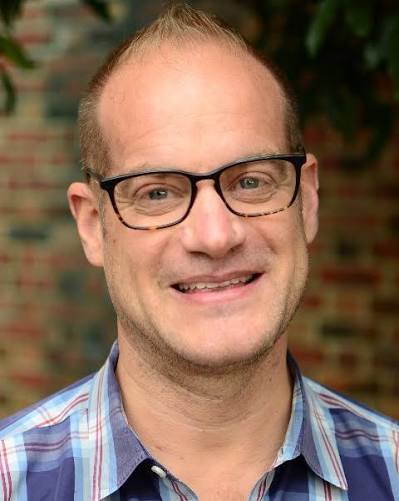
Oliver Bacon, MD MPH is Medical Director of San Francisco City Clinic, the STI and sexual health clinic run by San Francisco Department of Public Health (SFDPH). He is also an Associate Clinical Professor of Medicine at University of California San Francisco in the Division of HIV, Infectious Diseases, and Global Medicine at San Francisco General Hospital. From 2015 to 2017 he led the RAPID initiative (immediate ART initiation for all persons newly diagnosed with HIV infection in San Francisco) for the Getting to Zero initiative. He trained in Internal Medicine and Infectious Diseases. His areas of interest include diagnosis and treatment of sexually transmitted infections, biomedical STI and HIV prevention, antiretroviral therapy, and early treatment of HIV infection.
-
Phillip Coffin, MD, MIA, FACP
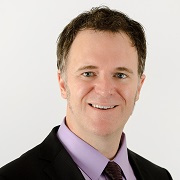
Phillip Coffin, MD, MIA, FACP is a board-certified and practicing internist, infectious disease specialist, and addiction medicine specialist. He attended or trained at Brown University, Columbia University, the University of California San Francisco, and the University of Washington. He directs the Center on Substance Use and Health at the San Francisco Department of Public Health, including clinical trials assessing medications for multiple substance use disorders and interventions for opioid safety, overdose prevention, HIV prevention, and Hepatitis C treatment.
Dr. Phillip Coffin also conducts several studies into the impacts of changing opioid prescribing practices on vulnerable populations, substance use epidemiology, and initiatives addressing substance use and opioid safety in clinical care. To be perfectly candid though, he’d rather be kitesurfing.